Our client is an Indian skincare and beauty brand and has been elevating Indian silhouettes through natural formulations of all products for almost eight years.
The client had presence on many channels and was looking forward to expand its sale globally through its personal e-commerce website.
The Challenge
The client extensively paid advertising on Facebook and Google to generate sales on their e-commerce website. However, the sales derived (in terms of orders and value) remained almost stagnant.
Even though they already opted for paid advertising but even that didn’t change their sales stats. At most there was a hike of 5%, despite of increasing advertising budgets by almost 25%.
However, the client confirmed that two of his closest competitors were driving significant sales (orders and value) from their own e-commerce websites and were also gaining significant market share on an ongoing basis.
Our Competitive Intelligence Approach
Generally, we first analyse the user-funnel and implement a complete conversion strategy.
But as all our approaches are tailor made according to the client, we first wanted to understand the user acquisition strategy for the client as well as for his closest competitors.
As the brand was not targeting the masses, it was important to understand the industry dynamics first.
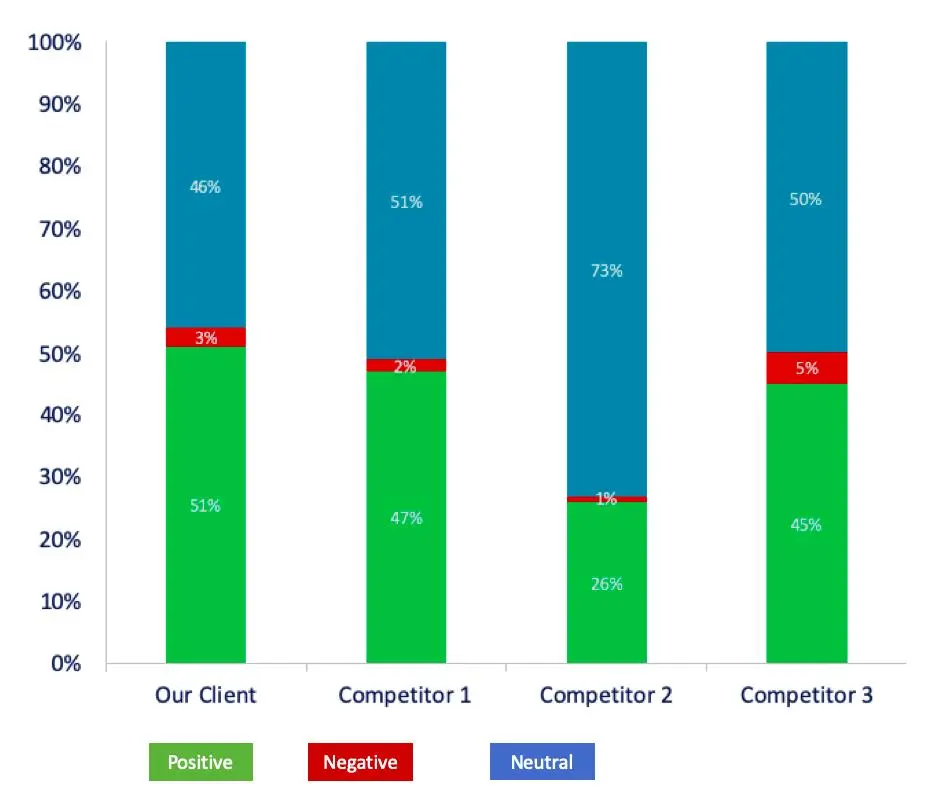
Thus, we started with an in-depth analysis of their competitors, other skin care brands. To understand how they were driving traffic and sales on their respective e-commerce websites with a similar product catalogue.
The objective was to identify the loopholes in our client’s digital approach viz a viz their closest competitors. We also explored their social media identity.
We began with a profound analysis of their product catalogue. All the details were careful understood at a macro level. Our next step was to inspect the target audience and their behaviour by factors like demographic, product need, price, customer satisfaction etc.
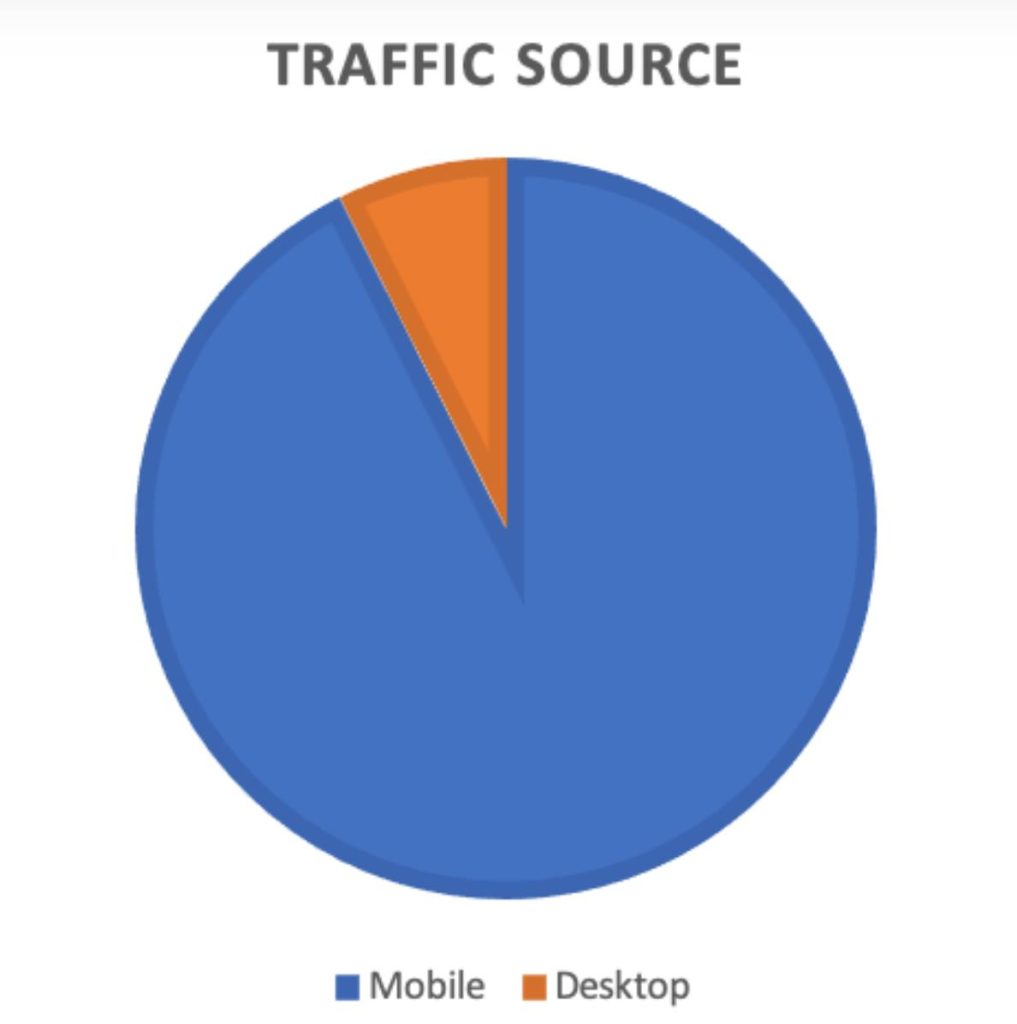
We went further probing into the mobile vs. desktop behaviour, with this probe it concluded the following:
The time spent per session was more on desktop than mobile. On desktop, 21% customers were abandoning the website without even viewing a single product.
On mobile, 88% people were viewing the products but less than 3% were finally transacting.
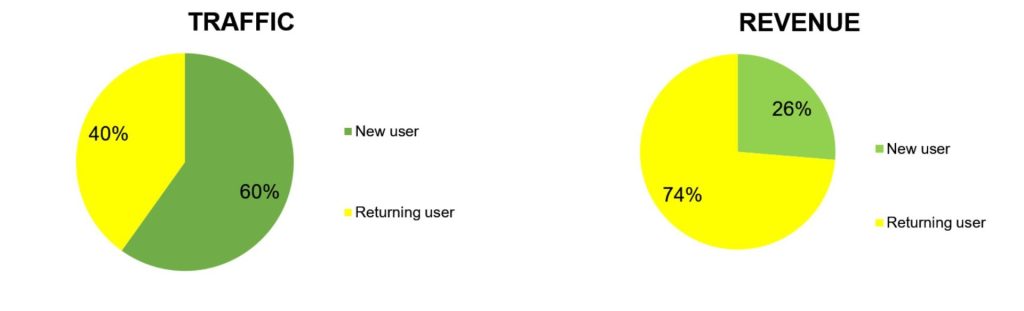
Revenue created by returning users was 70% while 30% of the traffic was coming from new users.
Conversion Rate Process
After the above analysis, we were sure of one thing that we had to improve the mobile experience since most of the users were using a mobile device to access the site.
So we began with the pages where the bounce rate was maximum and was getting the desired amount of traffic.
We did a user experience (UX) audit on those pages using various mobile devices and inspected the entire purchase funnel right till order placement. After this profound analysis, we recorded several issues that the end-user would be facing while shopping on the site.
These reported issues were largely related to:
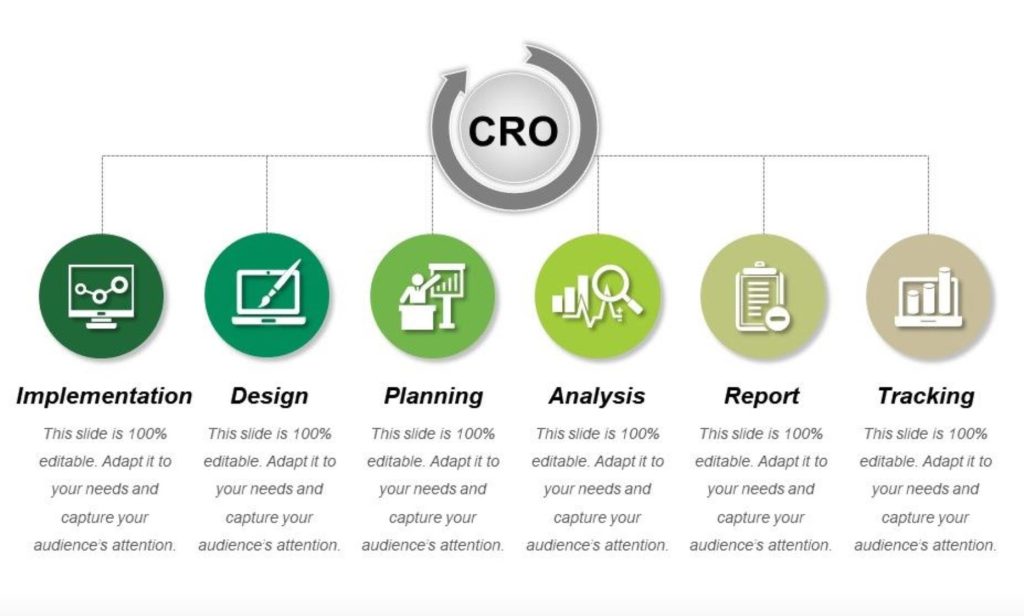
On the Basis our research, we followed the below mentioned process:
After advising the client on the above basis our thorough competitive intelligence report, we laid out a complete digital strategy with specific budgets, media mix, content mix and amplification plan for the next 12 months.
Results
Within the first 3 months of conversion rate process execution, we achieved the following results: